


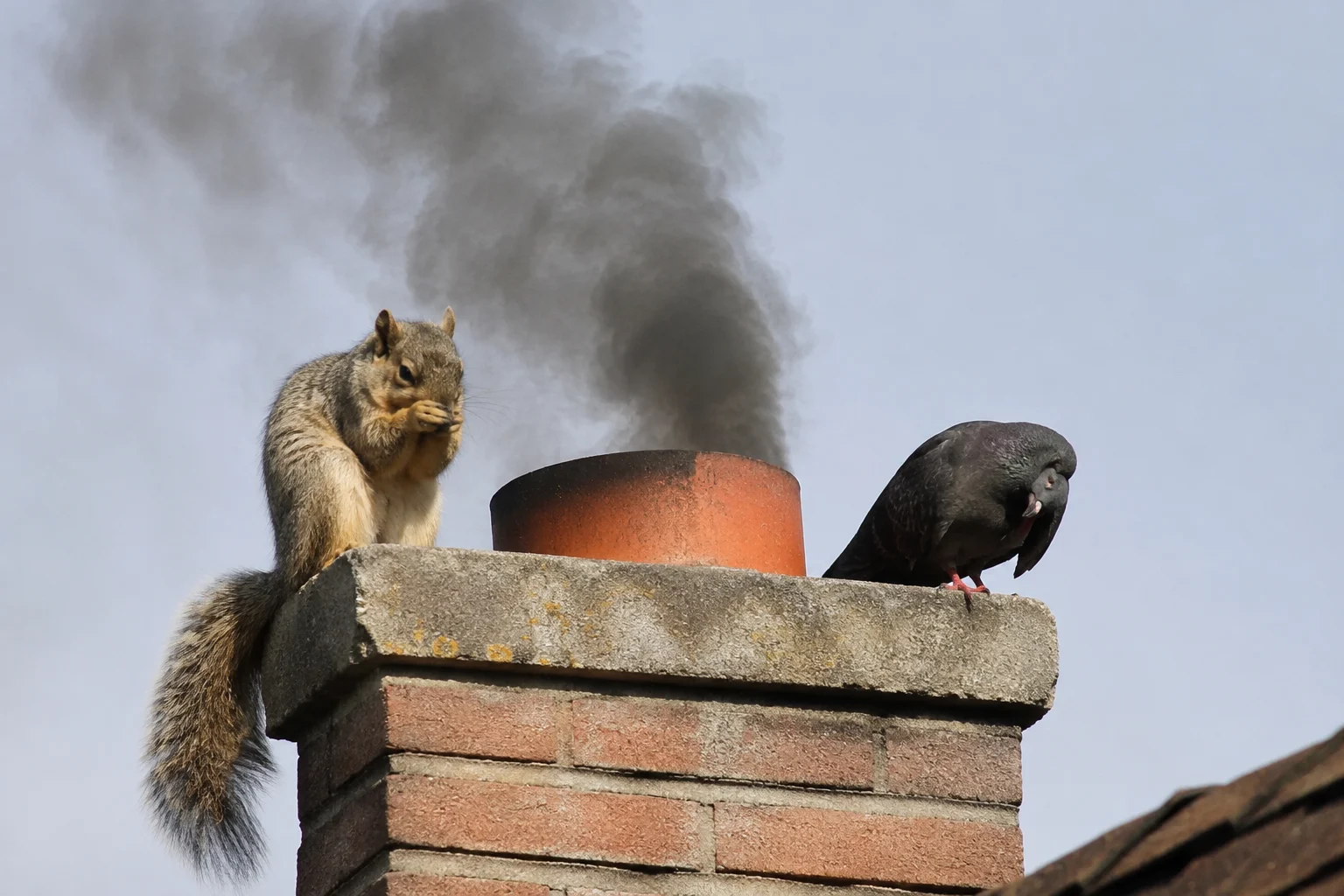
A fireplace smell in the Chicagoland area is often caused by creosote build-up in the chimney. Wood burning fireplaces get this build up and the chimney smell becomes activated by summer humidity and rain. The chimney odor enters your home when air pressure pulls air down the flue instead of pushing it up and out of your home. A reason why a chimney sweep is important to do at least once per year is that it reduces the chimney smell. Our certified technician can advise on how to fix a pressure imbalance that may be driving air into your home.
Why is Your Home Prone to Chimney Smells?
We’ve had some homeowners call us and explain that they thought the increase in barbequing was the reason they were smelling an odor in the house. We did have a couple of homeowners wonder why the barbeque smelled better outside, and it stunk badly on the inside. However, they attributed the smell to the barbeque. Until…
As you all know, we’ve had plenty of rain the past couple of weeks. These homeowners weren’t having a barbeque due to the rain. But why was there the same smoky smell on the inside? Open the windows. Maybe that will help. Not really when you shut them again. The chimney smell lingers. Regardless of what you do, the smell will continue until the chimney is inspected/assessed and maybe only cleaned.
What is Causing the Fireplace Smell?
The fireplace smell that fills our family and / or living room on a humid day comes primarily from creosote. Creosote is the dark, tar-like residue that forms inside a chimney whenever wood is burned. It is a natural byproduct of combustion, and it accumulates on the walls of your flue liner, the smoke chamber, and the masonry.
The problem is that masonry is porous. Brick, mortar, and flue tile all absorb creosote over time. The fireplace smell ends up being absorbed and a part of the materials. A chimney sweep can remove the surface layer of creosote buildup, which is essential for fire safety and prevents chimney fires, but it cannot extract the creosote that has already soaked into the masonry and other materials.
That creosote that is stuck in the materials is what produces the persistent smoky odor even if you have a recent chimney sweep. The smell is always there. What changes is how much of it gets pulled into the interior of your home by air coming down through the chimney into the home.
Humidity Makes Things Worse
Think of your chimney masonry as a sponge that has absorbed smoke for years. When that sponge stays dry, the odors remain trapped. When humidity rises, the moisture softens the sponge and allows the smell to expand.
This means that on a dry winter day, the fireplace smell may be barely noticeable even with the damper open. On a muggy July afternoon, the same chimney can make the smell unbearable. This is why fireplace odors are almost universally worse in summer than in winter, and why the smell is at its peak on rainy and high-humidity days rather than during the cold months when most people are actually burning wood.
| Trigger | Why It Makes Chimney Smell Worse | Season |
| High outdoor humidity | Moisture activates creosote absorbed into porous masonry, releasing odor compounds | Summer |
| Rain | Water vapor carries chimney odors down the flue and into living spaces | Spring, Summer and Fall |
| Air conditioning running | AC creates negative pressure indoors, drawing air down the chimney | Summer |
| Closed damper with gaps | Slight air leakage still allows odor to enter; damper seals are rarely airtight | Year-round |
| Exhaust fans operating | Range hoods, bathroom fans, dryer vents, furnace fans, etc. depressurize the home | Year-round |
| Attic fan running | Pulls large volumes of air from living space, replacing it with chimney air | Summer |
Air Coming Down the Chimney is the Culprit!
So now that we understand that the combination of creosote and humidity explains the chimney smell, but why does it enter the home? What changes is the direction of the airflow.
A chimney is designed to move air up and out of the home. Its purpose is to draw combustion gases safely out of your home. When your fireplace is not in use, that column of air inside the chimney should remain relatively neutral or have a slight upward motion. When that balance is out of whack and air begins flowing down the chimney instead of up, it carries all of those stagnant odors with it directly into your living room.
That downward airflow is a symptom of negative pressure inside your home. When the air pressure inside your house drops below the pressure of the air outside, your home tries to pull air in from every available opening. If your damper has any gaps, or if it is open, the chimney becomes one of the easiest routes for outside air to rush in. And that outside air, passing through a chimney flue with years of creosote, carries a powerful smokey smell.
What Creates Negative Pressure?
More recently built or modern homes are more tightly sealed than ever before. New windows, upgraded insulation, and high-efficiency HVAC systems have reduced unintentional air infiltration across the entire building envelope. That is excellent for energy efficiency but it creates pressure management challenges that older, leakier homes never had to solve.
When your home is sealed tightly and something inside begins exhausting air, there are fewer ways for replacement air to enter. The path of least resistance is often the chimney. Here are the most common reasons behind the negative pressure that drives fireplace smell into your home.
| Pressure Cause | How It Affects Your Chimney | Likely Fix |
| Inefficient damper | Allows constant air exchange between flue and living space | Install an energy-top damper |
| New high-efficiency furnace or boiler | Furnace/Boiler/Water-Heater units draw inside combustion air, shifting home pressure balance | HVAC and chimney assessment and/or damper upgrade |
| New windows or doors | Tighter envelope reduces natural air infiltration, increasing negative pressure | Fresh-air intake and/or damper upgrade |
| Home addition | Changes square footage and airflow dynamics throughout the structure | Whole-home pressure evaluation and/or damper upgrade |
| Exhaust fan (range or dryer) | Directly removes interior air, pulling replacement air down the chimney flue | Balanced ventilation or makeup air and/or damper upgrade |
| Roofing ventilation change | Attic fans and adding insulation alter pressure at the top of the chimney termination | Review cap placement and height and/or damper upgrade |
| Neighboring building height increase | Blocks prevailing wind needed to create positive flue draft or creates downdraft of taller structure | Vacu-stack or extended flue cap and/or damper upgrade |
Air Conditioning and the Fireplace Smell
When the air conditioner runs, it recirculates interior air and in many systems creates a slightly lower pressure environment indoors by drawing air through the return. The sealed, cool interior of your air-conditioned home becomes the perfect low-pressure zone. Meaning that smell is ready to go to work in that space. This explains why turning on the air conditioner, you’ll have a more powerful smokey smell.
Exhaust Fans
Kitchen range hoods, bathroom exhaust fans, and dryer vents all do the same thing: they push interior air out of your home. Each one reduces interior air pressure. In a tightly sealed home, running multiple exhaust fans simultaneously can create enough negative pressure to pull significant airflow down a fireplace chimney.
This is especially relevant in Chicagoland homes that have been upgraded with new windows and doors in recent years. The same renovation that made the home quieter and more efficient may have created the pressure imbalance. That’s what causes the fireplace smell that was at one time unnoticeable.
How to Reduce and Eliminate the Fireplace Smell
There is no single fix that works in every situation because the combination of creosote building up each winter, humidity levels fluctuating, and pressure sources can be different in every home, a complete solution involves taking a look at both the odor source and the negative pressure cause(s).
Start with a Certified Chimney Sweep
Even though a chimney sweep removes a big part of the problem, the buildup of creosote, it doesn’t remove the creosote absorbed within the chimney materials. By at least removing the layer of creosote, it will reduce the odor inside the flue and eliminate the risk of fire in the chimney. A CSIA-certified sweep can also inspect your damper, chimney liner, and the chimney cap while also identifying any structural issues that could be making the smell worse.
Install or Upgrade the Chimney Damper
An energy-top mounted damper installs at the very top of the chimney, seals the entire chimney flue. When the damper is closed, it minimizes/prevents humid outdoor air from entering the chimney flue. This can reduce the moisture that activates the creosote smokey smell. Most customers have reported a significant reduction in fireplace smells within the first summer after installing an energy-top damper.
Solving the Pressure Imbalance
If the energy-top damper indirectly reduces but does not fully eliminate the smell, the next step is a professional pressure assessment. A CSIA-certified chimney sweep technician can evaluate the:
- chimney’s termination environment
- the height of the neighboring structures
- your home’s current ventilation profile, and
- the operating patterns of any exhaust systems in the house.
In some cases, the fix is as straightforward as a makeup air intake near the lowest part of the home that gives the house a controlled fresh-air source, removing the chimney’s role as the pressure relief valve. In others, a vacu-stack chimney cap that uses wind energy to maintain positive flue pressure even when there are height concerns with structures near the chimney termination.
Frequently Asked Questions About Fireplace Smells
Why does my fireplace smell like a campfire in the summer but not in winter?
Two things change between summer and winter. First, humidity rises activating the creosote absorbed into your chimney masonry and releasing more odor. Second, you are not burning fires, so there is no upward draft to carry that odor out of the chimney flue. In winter, the heat from burning wood creates a strong upward draft that overpowers any downward pressure. In summer, with no fire, the chimney is simply an opening.
I just had my chimney swept. Why does it still smell?
A chimney sweep removes surface creosote but cannot extract what has been absorbed into the porous masonry firewalls. Think of it like washing a pot that has been used for years: you can clean the surface, but the material has changed. The chimney sweep eliminates the fire risk and reduced the concentration of surface odor. The remaining smell is coming from the embedded creosote and will require pressure management to keep it from entering your home.
Could the smell be coming from something other than creosote?
Yes. Animal nesting, debris and feces material in the flue, standing water in the smoke shelf, a dead animal, or mold growth in a water-damaged chimney can all produce odors that enter the home through the same pathway. If the smell is mustier or organic than smoky, have a certified chimney sweep inspect the interior of the flue for nesting activity, decaying carcasses, water damage, or blockages.
My neighbor has a fireplace too. Could their chimney odor be entering my home?
In densely built neighborhoods and townhome developments, it is possible for one home’s exhaust to enter an adjacent unit’s intake or chimney if the termination heights are close and wind conditions are right. This is one reason a professional termination environment assessment matters. A vacu-stack cap, termination energy-top damper or extended flue liner can help isolate your chimney from neighboring pressure and exhaust sources.
Does running the bathroom exhaust fan really make my fireplace smell worse? It can, especially in a tightly sealed home. Any exhaust fan reduces interior air pressure. In a home where the chimney is the easiest pathway, running multiple exhaust fans simultaneously can create enough negative pressure to pull a noticeable airflow down the flue.