


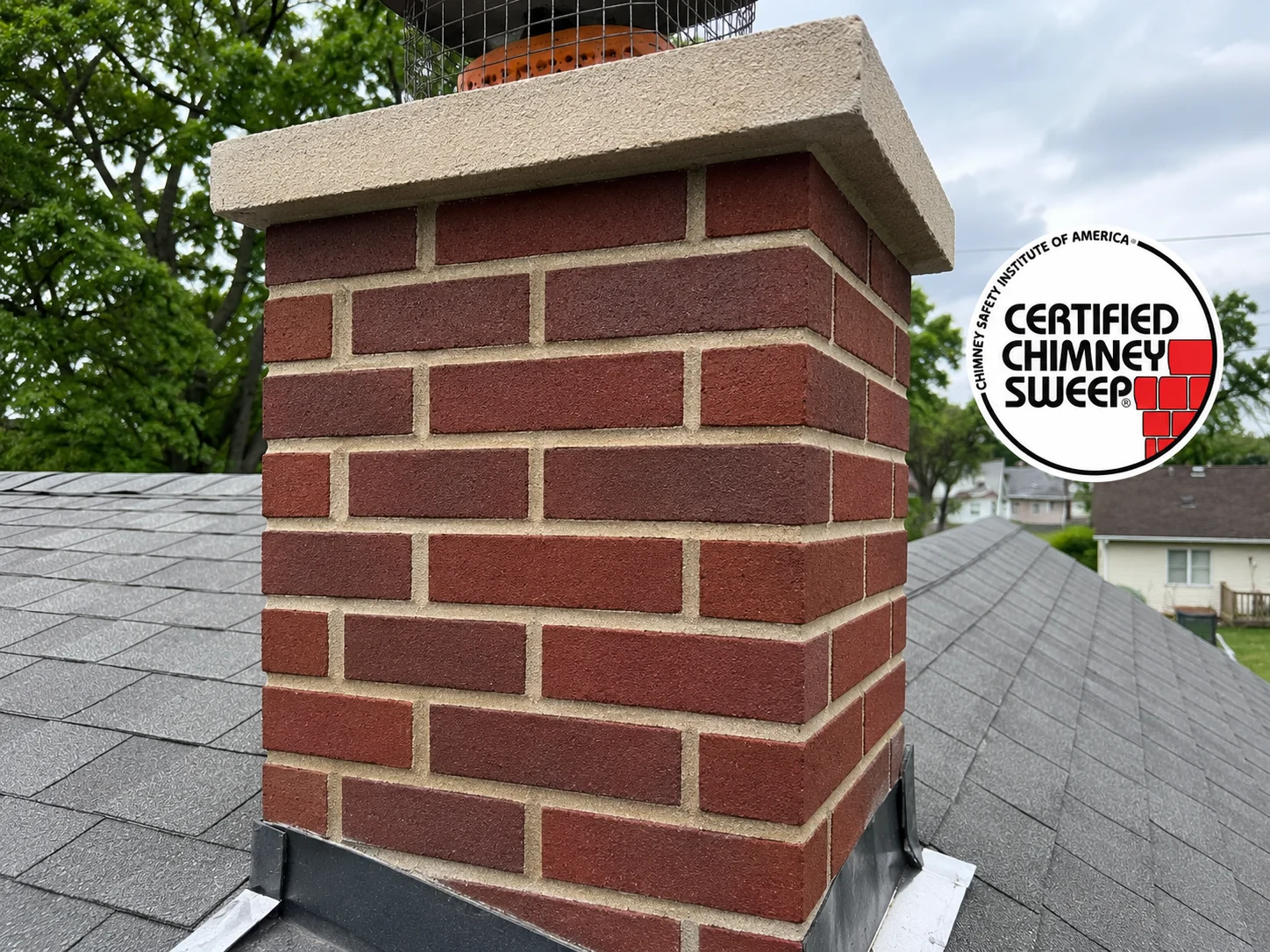
Did you know there is a difference in ‘who’ cleans your chimney? Not all chimney cleanings are created equal. Many homeowners assume that any handyman with a brush and a rod can do the job. Because there are few regulations or restrictions on the chimney industry, any handyman or company with a couple of brushes can call themselves a chimney sweep. What separates professional chimney cleanings from an inadequate one? The answer lies in certification, process, and purpose.
The CSIA Standard
The CSIA Certified Chimney Sweep® (CCS®) credential is nationally recognized and acknowledged by industry organizations, insurance companies, and local, state, and federal agencies as the measure of a chimney technician’s knowledge. The CSIA recommends that homeowners with fireplaces do their research when choosing their chimney inspection company.
What Can the Rods and Brushes Reveal?
A CSIA Certified Chimney Sweep technician can visually inspect up and down the chimney, but cannot physically go into the flue to inspect the internal structure. This is where the cleaning process becomes a critical part of identifying any issues. When a technician pushes chimney rods and brushes through the fireplace chimney system, the debris that falls is what’s telling the story. If pieces of fire clay tile, tile joints, or broken brick come down during the sweep, that is a clear signal of a structural integrity and a fire worthiness problem. This is essential information for any homeowner who wants to continue using their fireplace safely.
Creosote is the Black Warning
Creosote also known as ‘soot’ is a natural byproduct of burning wood. As smoke travels up the chimney, creosote clings to the walls of the flue and builds up over time. Creosote is highly flammable and is a leading cause of chimney fires. A standard professional fireplace chimney sweep addresses the full system: the flue liner, smoke chamber, smoke shelf, damper, and firebox. Removal of creosote is essential for continuous safe use of your fireplace.
Don’t Overlook Your Gas Fireplace
One of the most common misconceptions among homeowners is that gas fireplaces don’t need chimney cleaning. This is a dangerous assumption. Almost all heating appliances, whether they burn gas, oil or wood, rely on the chimney to safely carry toxic gases produced by the heating system out of the home. Gas fireplaces are considered “cleaner” than wood-burning ones, but they can still produce carbon monoxide if they are not vented correctly — a clogged venting system can cause carbon monoxide to leak back into the home.
The CSIA points to two specific risks tied to gas appliances. High-efficiency gas appliances produce fumes that contain high levels of water vapor, and since these vapors also contain chlorides, the flues can take on corrosive conditions. Fire clay tile chimney liners can flake off under these conditions, producing debris that can block the chimney. The CSIA specifically warns against chimney neglect that can lead to carbon monoxide poisoning — anyone exposed to carbon monoxide is at risk of serious health hazards and even death.
Keeping the Airways Clear and Clean
Creosote buildup is only one concern. Chimney blockages can also be caused by a bird, squirrel or raccoon nesting. But let’s not forget the good stuff such as animal debris and feces, a collapsed chimney liner, or when creosote seals across the flue opening (creosote bridging). It is important to understand that a standard chimney sweep alone will not remove most blockages. A trained technician from Superior Chimney knows how to identify and take care of these issues before they become a serious problem.
Why Annual Chimney Inspections Matter
Your chimney system has a particular job to do. It directs hazardous smoke, flammable debris, and toxic gases out of your home while maintaining a certain clearance to other adjacent / flammable home construction materials. When there is flammable residue, leaks, or masonry cracks, the result can mean water damage and fire. Why is this important? Because these things cannot be found to the untrained eye until it’s too late.
The real difference in chimney cleaning comes down to who is doing the work. According to the CSIA, your fireplace chimney system, whether wood-burning or gas, should be inspected and cleaned annually, and repaired whenever needed. CSIA certified technicians are trained, tested, and trusted by the industry’s leading authority, giving them the expertise to handle real-world challenges and protect homes and families.
Contact us today to schedule your chimney 877-244-6349.