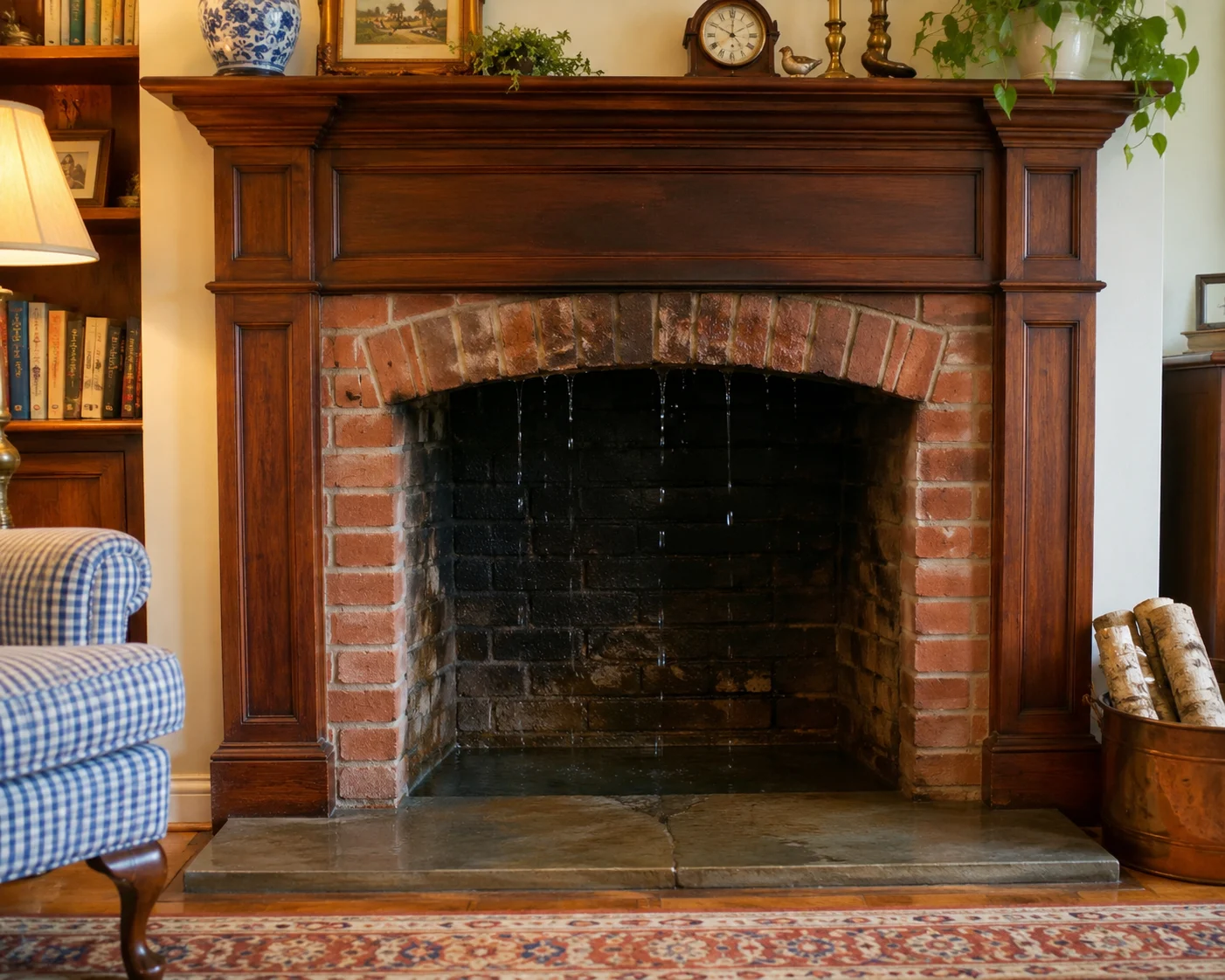
Water leaks are one of the worse problems to have. That’s because finding the source of the leak can be difficult to almost impossible to find. Even a chimney water leak! It can appear on the inside of your home in a room that is not even remotely close to where the fireplace is at. Water has its own mind and is very resourceful to find places to travel. One of the places to check is your chimney. Now, you probably need help with this one, and getting a certified technician from Superior Chimney can be the answer as they are well versed in leak finding. But before you make that call, let’s first learn more about chimney water leaks.
Water Is Your Chimney’s Worst Enemy
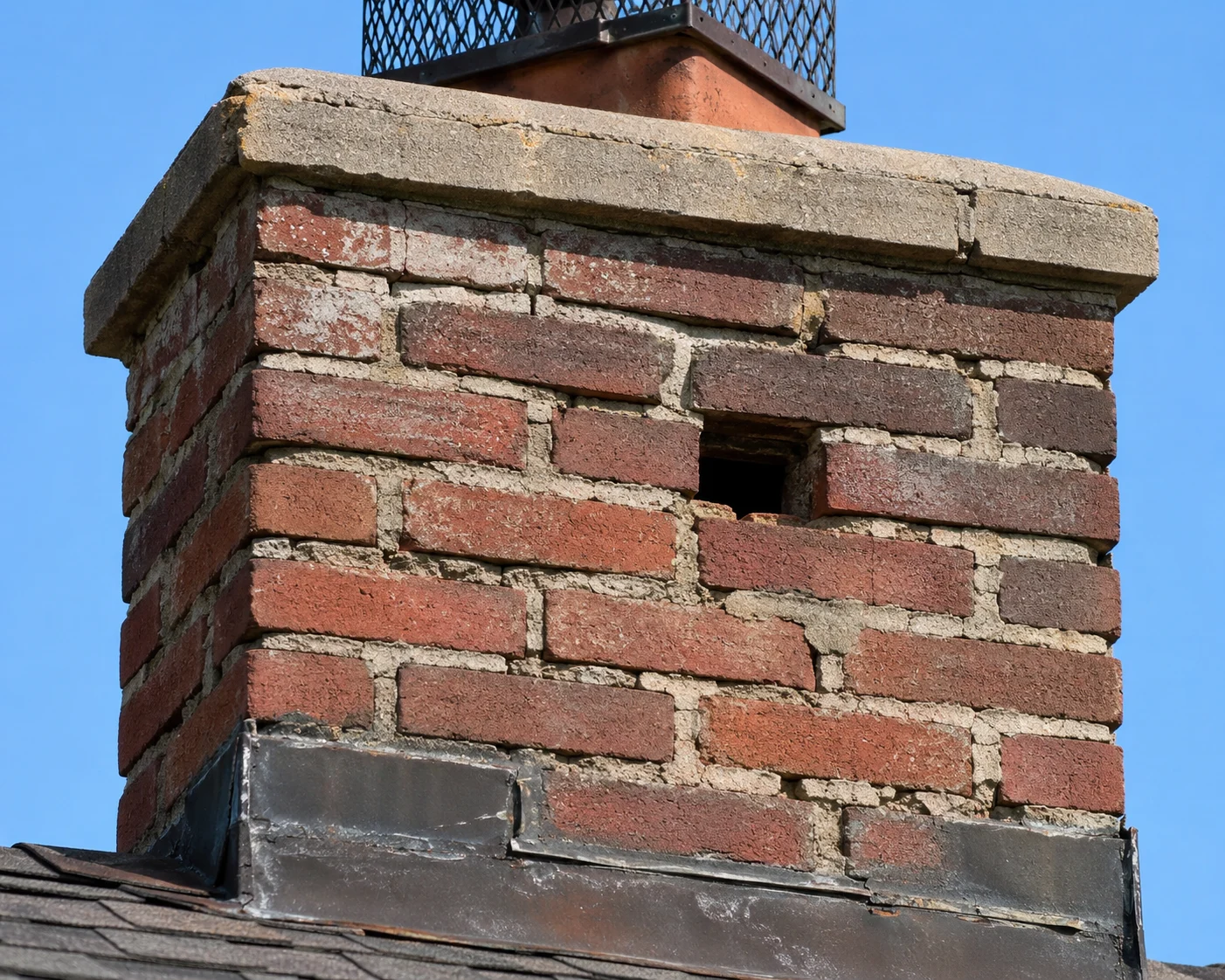
Chimney water leaks cause more damage to masonry chimneys than fire. That’s not a typo. Water wins. And the sources of water leaks are numerous: no chimney cap, crown cracks, deteriorated mortar joints, cracked masonry, worn or missing flashing, foundation cracking, or flue gas condensation from an improperly sized liner. Any one of these can let water in. It can even be a few of them at one time!
Here’s what makes it worse. Every other part of your home sits under the protection of your roof and eaves. Your chimney doesn’t. It stands fully exposed above the roof taking rain, snow, wind, and the punishing freeze-thaw cycles of winter every year.
How the Damage Happens
Masonry is porous. During winter, that absorbed water freezes. It expands. Then it thaws and contracts. Then it freezes again. This cycle repeats over and over again. Each time, stress builds and cracks form. Over time, the gaps in the cracks widen. Chimney water leaks grow more serious if it is not fixed.
The real danger? The process is slow and subtle. You may not notice a chimney water leak until it’s already done significant damage. By then, the repair costs have increased. What starts as a minor crack can quietly become a structural problem. (This is why the CSIA recommends at least a yearly inspection.)
Where Do Chimney Water Leaks Come From?
Here’s an obvious one. No chimney cap means rain falls directly into your chimney flue. A damaged chimney crown allows water to gather and slowly make its way into the masonry below. Deteriorated mortar joints or gaps between bricks, give water an opening. Flashing failures is where your chimney meets the roofline. If it’s not secure and sealed, water will enter.
Each time it finds a new entry point, the problem builds. As a homeowner making an investment in your house, you don’t want damages to happen.
How to Protect Your Chimney
The good news: chimney water leaks are preventable. Here’s what needs to happen:
Install a professional-grade chimney cap. It’s the first line of defense against water intrusion. Repair or replace a damaged chimney crown. Fix deteriorated brick and mortar joints through proper chimney tuckpointing. Fix any leaky chimney flashing immediately. And waterproof your chimney with Superior Chimney’s Chimney Saver.
That last one gets overlooked too often. Professional chimney waterproofing treats the masonry itself, allowing moisture vapor to escape while blocking water from penetrating. It’s not a cosmetic fix. It’s structural protection.
Don’t Wait, Call Today! Chimney water leaks don’t resolve on their own. Superior Chimney handles every aspect of chimney water leak repair and prevention. One call addresses it all, so call today at 877-244-6349.